
Dialogue
The Final Lesson of Peacemaking: Ask Better Questions
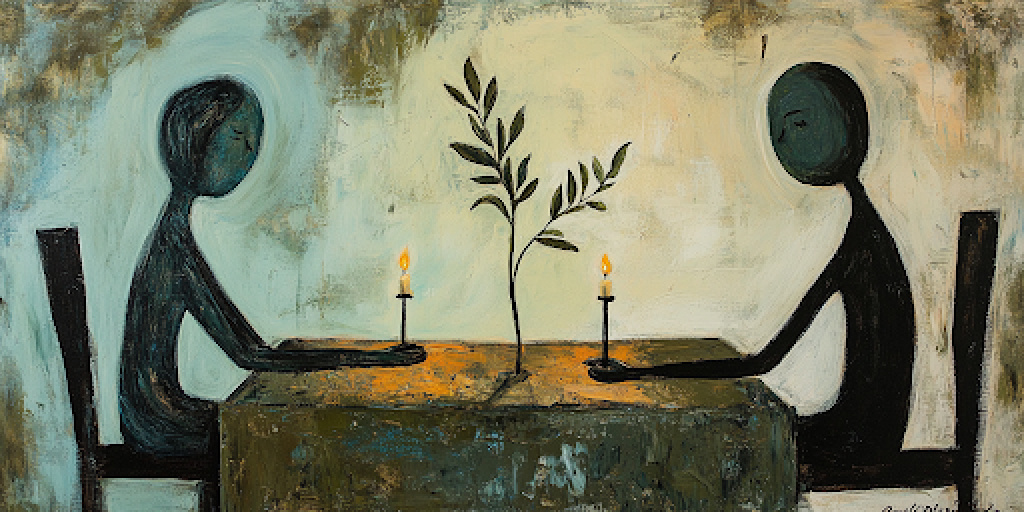
What sustains peacemaking? Thoughtful questions grounded in empathy, clarity, and humility guide resolution.


What sustains peacemaking? Thoughtful questions grounded in empathy, clarity, and humility guide resolution.

What is power? It is self-mastery and persuasive virtue that honors agency, invites participation, and endures.

Which conflict style fits each dispute? All five are needed; choose wisely to prevent resentment.

What saves relationships so they can endure disputes? Separating issues, practicing repair, and meeting deeper needs renew peace.

What does it mean to truly forgive? Forgiveness is a sacred choice that frees the giver, not the offender.

Why do people stay silent in disagreement? Many avoid disagreement due to empathy, anxiety, or flawed logic.

How can disciples remain kind without compromising truth? By asking sincere questions and turning toward others.

What if gossip isn’t always harmful? When rooted in empathy, it becomes a path to deeper relationships.

Why can’t we understand each other? Language divides when meaning drifts, and peace begins with clarity.

What is conflict? Conflict is not the same as contention. It is a neutral force that, when handled wisely, fosters growth and peace.

What role does emotional control play in peacemaking? Managing anger allows logic to guide solutions effectively.
Can humor and science help heal divisions? A unique approach reveals empathy and connection as keys to peacemaking.