
Legal
Clarifying the Supreme Court’s Conversion Therapy Ruling
The Supreme Court did not broadly approve conversion therapy; it protected client self-determination in therapy.


The Supreme Court did not broadly approve conversion therapy; it protected client self-determination in therapy.
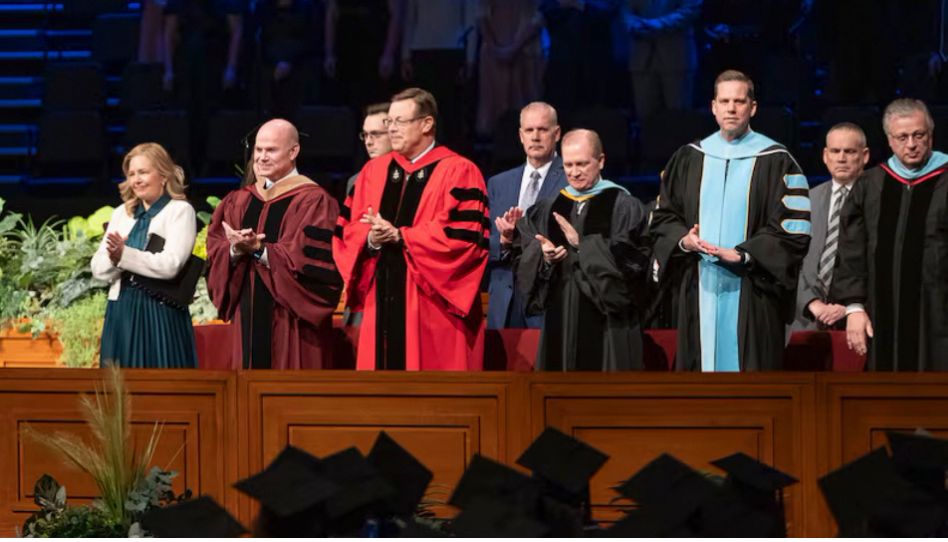
Believing that BYU’s distinctive religious heritage can be maintained without intentional efforts to preserve it is naive.
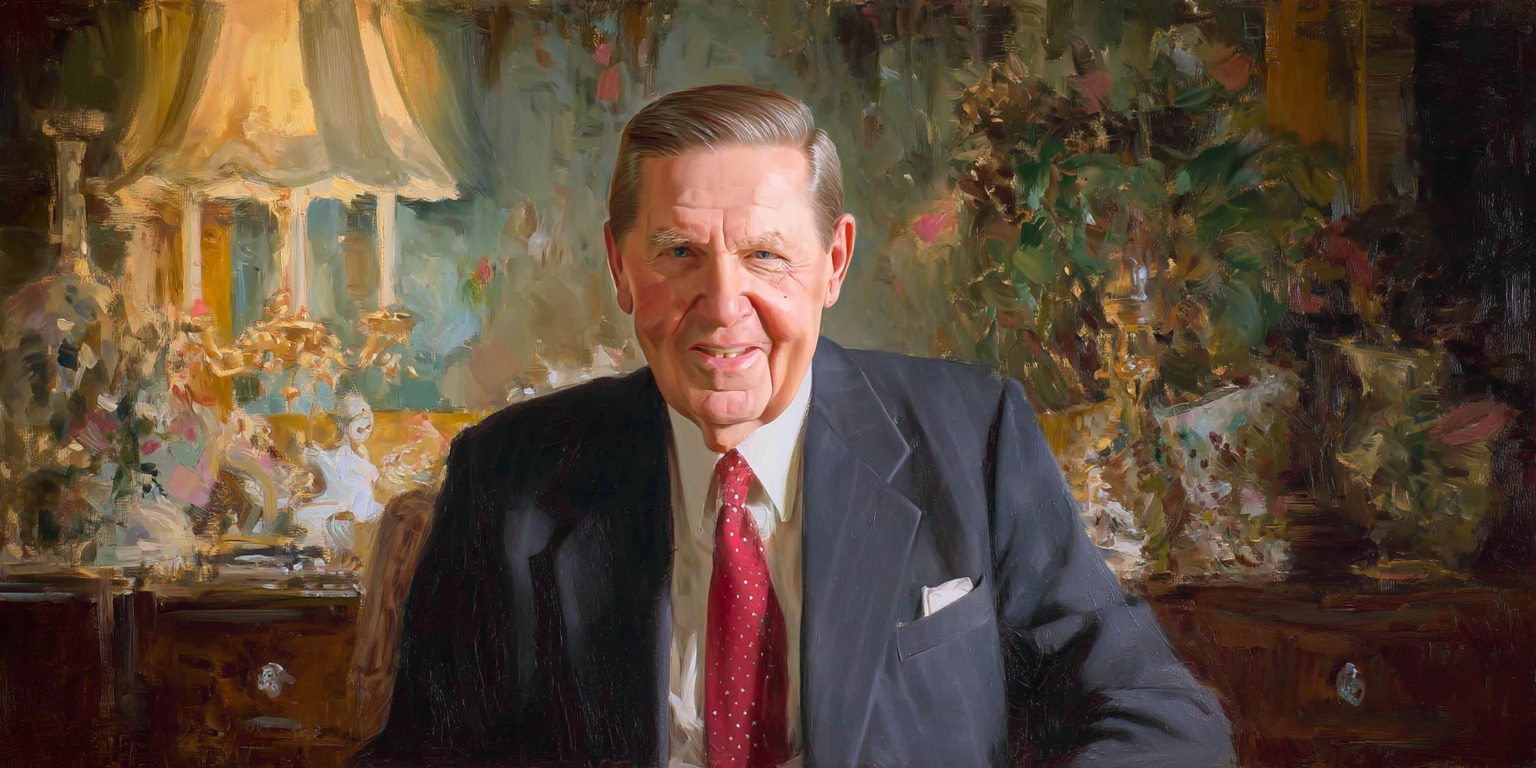
What happens when doctrine collides with status? Jeffrey Holland risked goodwill to stand for Jesus Christ and His teachings.
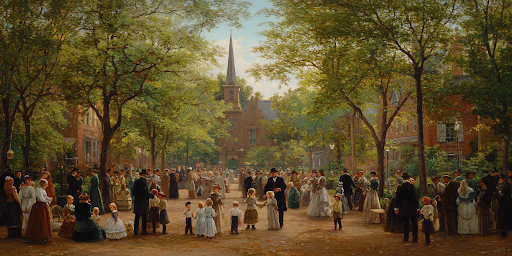
An anthology of essays marks the 30th anniversary of the Proclamation, celebrating divine design and family.

Pain can be spiritually and existentially productive—it wakes us up, calls us deeper, and invites us toward transformation.

Shaken by Ruby Franke’s story? That discomfort can be a call for self-reflection. Her case reveals how the obsession with image can distort values and lead to devastating choices.

Can Dionysus symbolize peace and tolerance? The myth suggests darker, more violent impulses.

Was President Holland’s BYU talk a message of love or exclusion? A closer look shows a narrative of faith and compassion.

How can Latter-day Saints best engage questions related to marriage, family, and sexuality? Through careful, prudent, public square dialogue.

Is academic freedom compromised at religious universities like BYU? To the contrary, BYU’s religious mission creates an environment of academic freedom rare among U.S. Universities.

We are often told that great sex requires us to break boundaries and follow our passions wherever they lead. But what if great sex requires us to take account of the moral value of ourselves and others?

The “expressive self” tells us that our feelings are the most important part of who we are. How does this impact our understanding of sex, gender, and marriage?